Los Angeles Law Enforcement Will Stop Using Flock Cameras

The city’s police department did not renew its contract due to data privacy concerns.


Aaron of L.A. Photography/Shutterstock

The Los Angeles Police Department has suspended its use of controversial surveillance tech from Flock Safety. The city’s law enforcement had signed a three-year deal with Flock in 2023 that expired over the weekend.

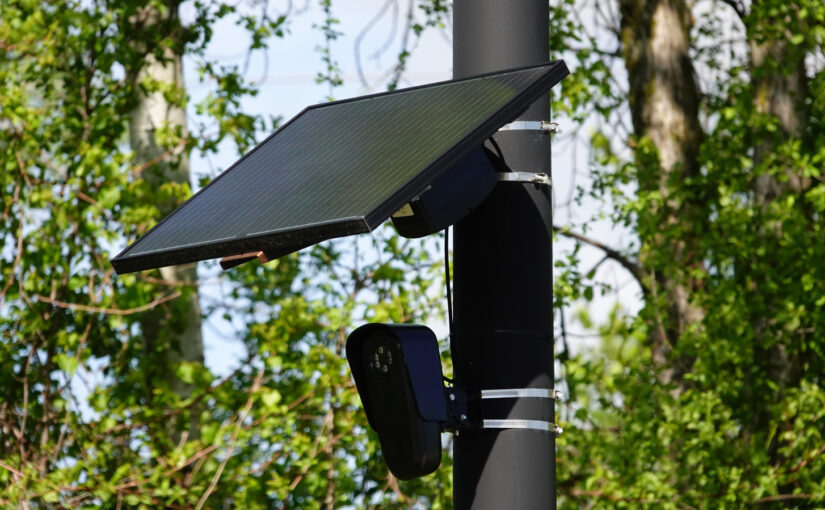
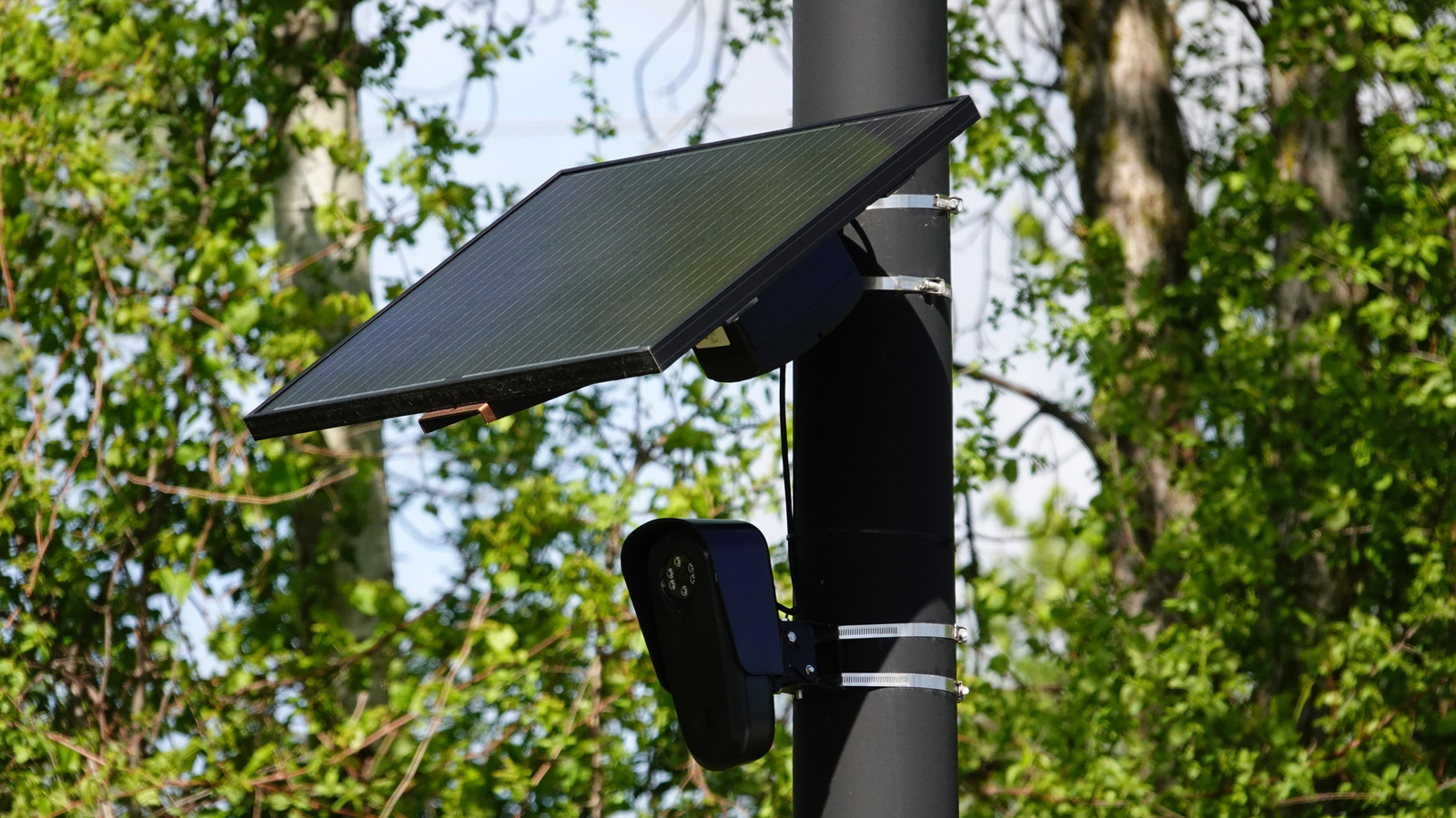
Flock operates 138 cameras in LA, and they are ostensibly used to check vehicle license plates. While that information could help law enforcement to find cars that are stolen or registered to fugitives, city leaders questioned the privacy controls for the data collected by the company. Flock has reportedly shared its data with state and federal authorities, including the US Immigration and Customs Enforcement agency, even though California has legislation to restrict what details companies can share with government officials.

“The sticking point is around having very clear terms about who owns the data, what happens with the data once they collect it,” LAPD Chief Information officer Dean Gialamas told the Los Angeles Times. He said the department will stop using Flock “Until we can get those data, privacy, security and sharing concerns ironed out through a contractual relationship.”

In addition to the privacy issues around Flock sharing data with immigration authorities, the company’s cameras have also been exposed as having multiple cybersecurity flaws.

Public Betas For iOS 27, macOS 27 And More Apple Platforms Are Now Available

Try the new Siri AI and system-wide performance improvements.

Related: Download 345win app, login now and claim bonus daily.

Apple

Siri and Apple Intelligence


Apple

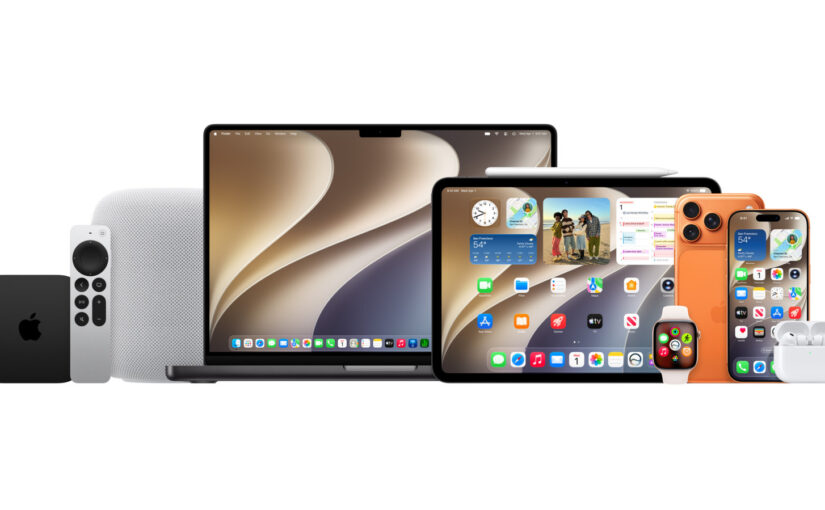
The headliner of iOS 27 is the long-awaited Siri AI. The new version transforms from a basic voice-command system into a modern AI assistant. It can hold natural conversations, understand follow-ups, answer questions about the content on the screen and perform multi-step actions inside apps. On recent Apple devices, you can even customize the expressiveness of the assistant’s voice. There’s also a dedicated Siri app that stores your history.

Siri AI is available in the public beta for all Apple Intelligence-capable devices. In the early developer betas, there’s been a waitlist to access the new assistant. So, some patience may be required. The new Siri only works in English for now, and it won’t initially be available in the EU.

Not all Apple Intelligence features are Siri-related. Photos now has more robust editing tools, including Spatial Reframing, which adjusts composition after the photo is taken. The Extend feature outcrops images past their original boundaries. There’s also an improved Clean Up tool that’s better at removing unwanted objects. And Image Playground can now generate higher-quality images, including photorealistic styles.

Speed boosts and more features

Even if you don’t care about AI, here’s an iOS 27 update that might interest you: Apple is promising big performance improvements across the board. The company says apps launch up to 30 percent faster, newly captured pictures appear in the Photos app up to 70 percent faster, and AirDrop transfers can be up to 80 percent faster. (Although I can’t vouch for specific numbers, my devices felt noticeably zippier on the early iOS 27 developer betas.)

Elsewhere, Safari can declutter your workflow by automatically organizing your tabs into groups. It also has a new Notify Me feature that monitors webpages for price changes or restocks. The Passwords app can detect weak passwords and automatically update them. And in the Shortcuts app, you can create new automations by describing what you want in natural language.

iOS 27 (and its brethren) also addresses criticism of last year’s big design overhaul: Liquid Glass. The new version has readability improvements, and there’s a slider to customize the effect.

Once you’re on the iOS 27 beta, you can install a public beta for AirPods. The new software adds a custom equalizer, an adaptive audio slider and a new settings menu.

watchOS 27, macOS 27 Golden Gate and iPadOS 27


Apple

Siri AI will also be coming to the wrist, where it could be handy for answering questions mid-workout or while you’re otherwise on the move. watchOS 27 adds a new Dynamic App Grid that surfaces apps you’re most likely to need. The Apple Watch gets a new single-tap gesture that lets you select a widget in the Smart Stack to see more info. (You can still double-tap to scroll.) Menstrual tracking adds menopause and perimenopause support. And Workout Buddy gets some upgrades: new workout data insights, the ability to work without a nearby iPhone, and Spanish-language support.

Apple is positioning Siri AI as a productivity tool in macOS 27 Golden Gate. Like with other devices, you can summon the assistant directly from Spotlight, use it to analyze what’s on your screen or rely on it for writing help. There are also a few Mac-specific Liquid Glass and other design improvements, including uniform toolbars, edge-to-edge sidebars, and more refined window shapes and menu bar icons.

What about iPad owners? iPadOS 27 includes all the aforementioned iOS 27 features, but there isn’t much that’s unique to the tablet this year. Visual Intelligence, which can analyze anything on your display via screenshots, works with the Apple Pencil: just circle what you want to learn about. And external hard drive support gets a boost: Apple says file transfers between iPad and an SSD are now up to five times faster and “just as fast as Finder on Mac,” according to the company.

How to install

Keep in mind that these are early versions of the software. Bugs, battery drain and other issues will likely pop up. (Apple hopes you’ll use the Feedback app to help it optimize the software before the final release.) If you want a safer balance between cutting-edge features and stability, it couldn’t hurt to wait for at least the second or third public beta.

If you’ve never installed pre-release software before, you’ll need to enroll in the Apple Beta Software Program first. Once you’re in, you can download the beta software by navigating to Settings > General > Software Update. Under the Beta Updates section, choose the “27” public beta for your device.

Do Fitness Trackers Still Work If You Have Tattoos?

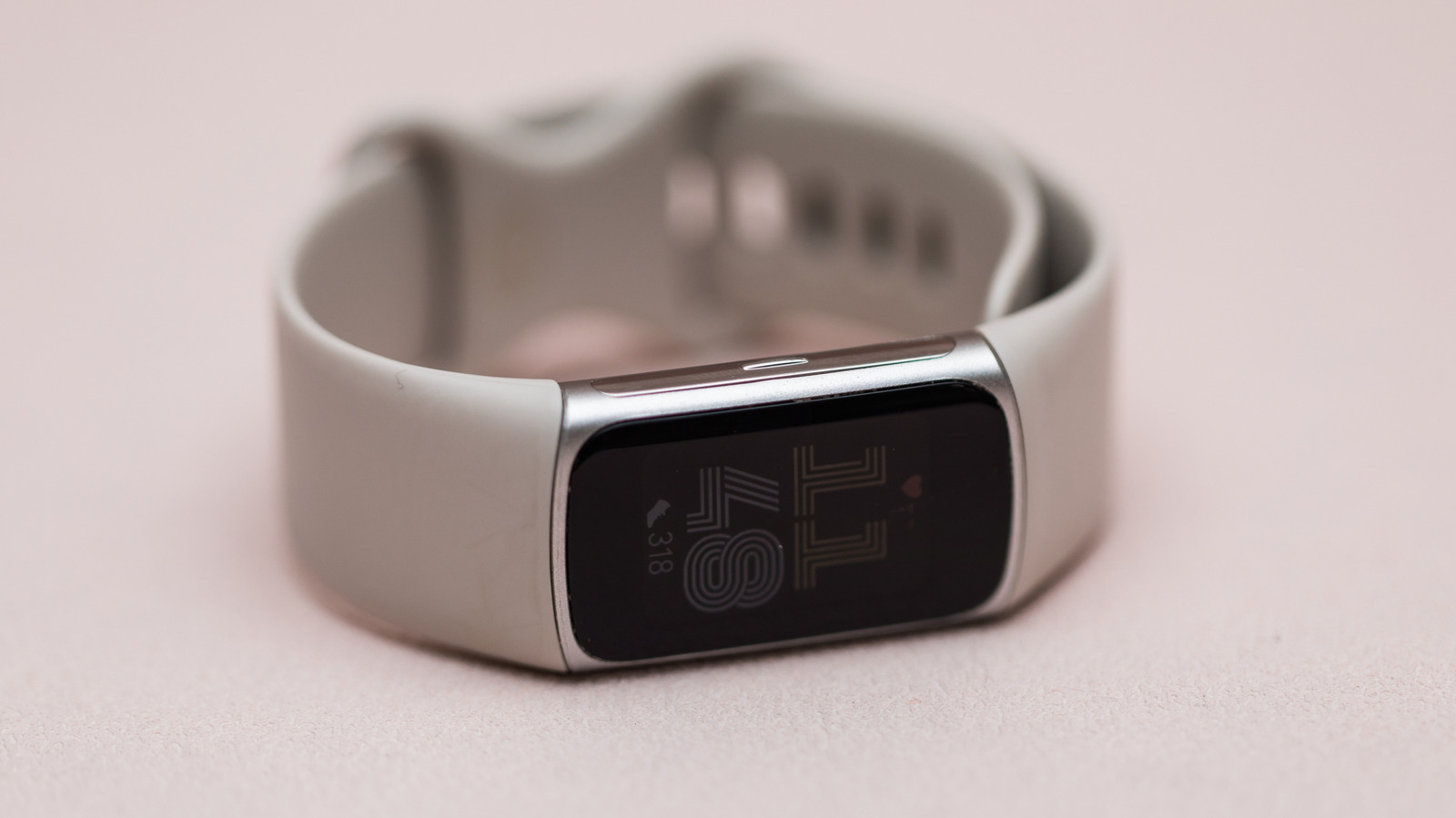
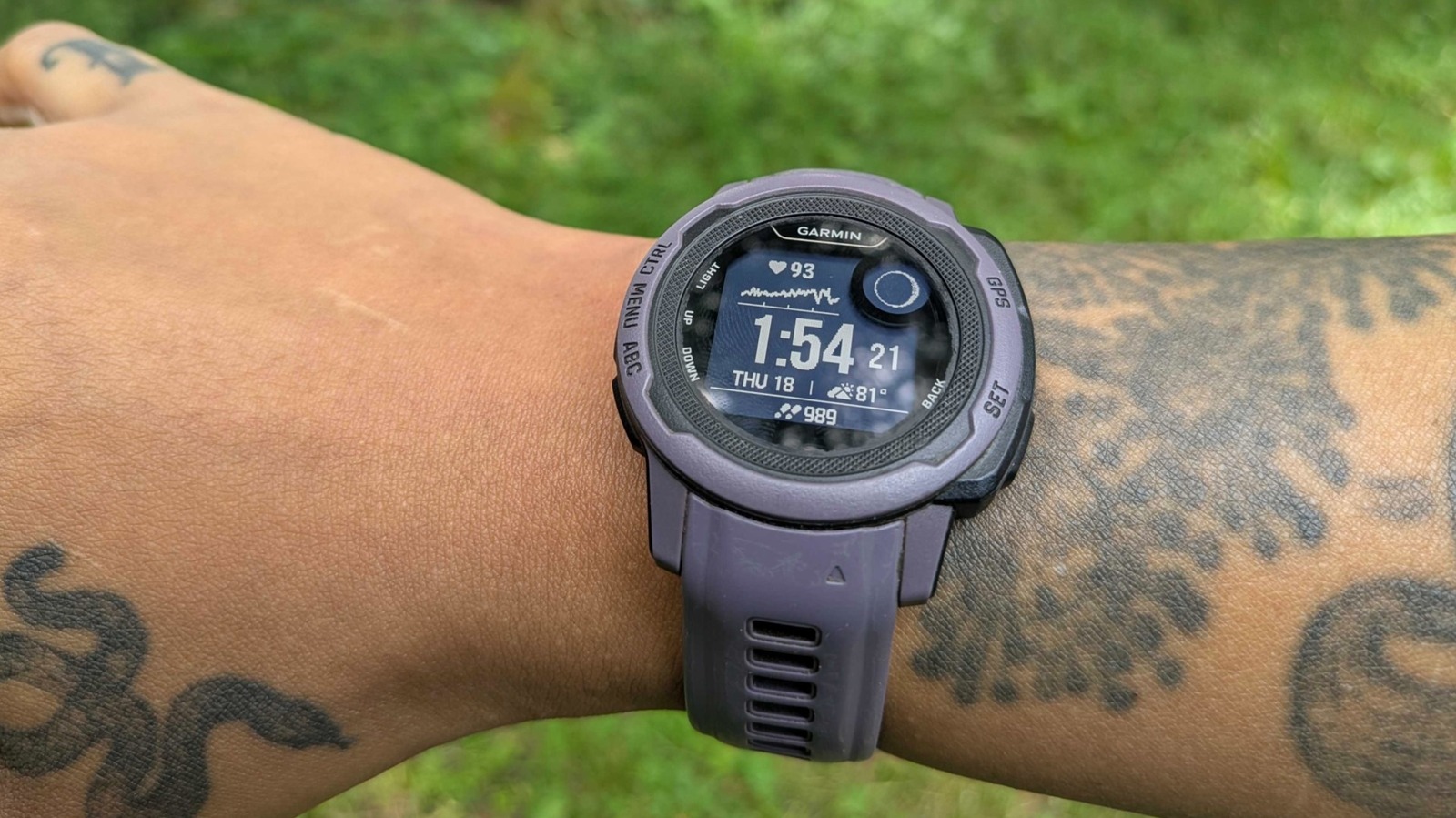
The last thing you want to happen after dropping hundreds of dollars on a wearable is to discover that it doesn’t work with your body. But, that’s a fairly common problem people with wrist tattoos have been running into since the advent of smartwatches and fitness trackers. As countless posts on device support pages and Reddit have chronicled over the years, tattooed skin and the sensors used by wearables often don’t mix well.

Related: Get 388win app, and claim daily bonus now!

One of the main issues people experience is with heart rate sensing. Wearables use a light-based technique called photoplethysmography (PPG) to measure heart rate. That’s the green light you see when you flip your device over. But, tattoos can get in the way of that light, messing with the readings. The other problem is wrist detection, which also uses lights to determine if the tracker is on a person’s wrist (along with an accelerometer and electrical sensors). Slap a fitness tracker on a wrist that’s covered by a tattoo, and the device may not register that it’s being worn at all, consequently requiring the wearer to repeatedly unlock the device whenever they want to interact with it.

It might seem a bit silly that technology advanced enough to respond to gesture controls and provide personalized sleep coaching would be stumped by a bit of pigment, but the tattoo issue isn’t just a baseless gripe that consumers have latched onto. Device makers have acknowledged it and advised buyers to avoid putting their trackers on top of tattoos.

“Tattoos (ink, pattern, saturation) can block the heart rate sensor’s light, causing inaccurate or missing readings,” Garmin notes on a support page. “For best performance, wear the watch on skin that is free of tattoos if possible.” Apple has issued similar notices going back to the release of the first Apple Watch.

Is there a solution?

People with tattoos have devised sorts of workarounds to get the most out of their smart watches and fitness trackers, though none are exactly ideal. The simplest? If the inside of your wrist isn’t tattooed (or at least has larger areas of clear skin), you can position the device there instead of on top of the wrist. Similarly, if your other wrist is tattoo-free, wear the device on that one. But if you’ve grown used to wearing a watch on a certain wrist for years, it’s going to feel pretty weird to change it up.

As a quick fix, some people swear by epoxy bottle cap stickers or layering pieces of clear tape, either of which are placed over the sensors and inexplicably correct the problem for a lot of wearers. Reusable accessories designed to work the same way have seen some success too. There’s also the option of using a chest strap if accurate heart rate tracking is all you’re after — and if you don’t have chest tattoos. Again, though, this isn’t the most comfortable or convenient way to use a wearable in most situations day-to-day.

Ultimately, it’ll continue to be an issue until the sensors these watches and fitness trackers rely on are improved to account for skin variations like tattoo ink. Likewise, light-based sensors have been found to be less reliable for people with dark skin, highlighting a need for more diversity in the research and development of this type of technology.

Anecdotally, it seems like Google’s Pixel Watch 4 might be much better at handling tattooed skin than its predecessors. There were rumors of Samsung introducing an update a few years back to improve things in this area too, but the complaints of tattooed Galaxy Watch users would suggest otherwise.

More research is needed

Identifying the problem is theoretically the first step to solving it, but unhelpfully, the reality is that how much tattoos interfere with sensor readings isn’t consistent from case to case. A study published in 2025 attempted to quantify the difference in readings taken from devices worn over tattooed skin versus non-tattooed skin, and while it did find the former suffered inaccuracies, the results were mixed.
The researchers used the Polar Verity Sense and armband, outfitting participants with one device over a tattoo plus one on the same arm in an area without a tattoo. Participants also wore a Polar H10 chest strap heart rate monitor to establish a baseline, as this style of wearable is considered to be more accurate. Over the course of a day, they were monitored when at rest, walking at their own pace and jogging.
This revealed that the presence of the tattoos did have an impact on heart rate readings, but it was dependent on the wearer’s activity level, “with the greatest effect observed at rest and variation decreasing as exercise intensity increases.” And in some cases, the researchers note, “the presence of an arm tattoo did not affect the heart rate validity measurement at all.” There are a number of variables that must be taken into account — like ink color, saturation and depth — and as it stands today, there just hasn’t yet been enough research down to the nitty-gritty of the problem to bring about a solution.